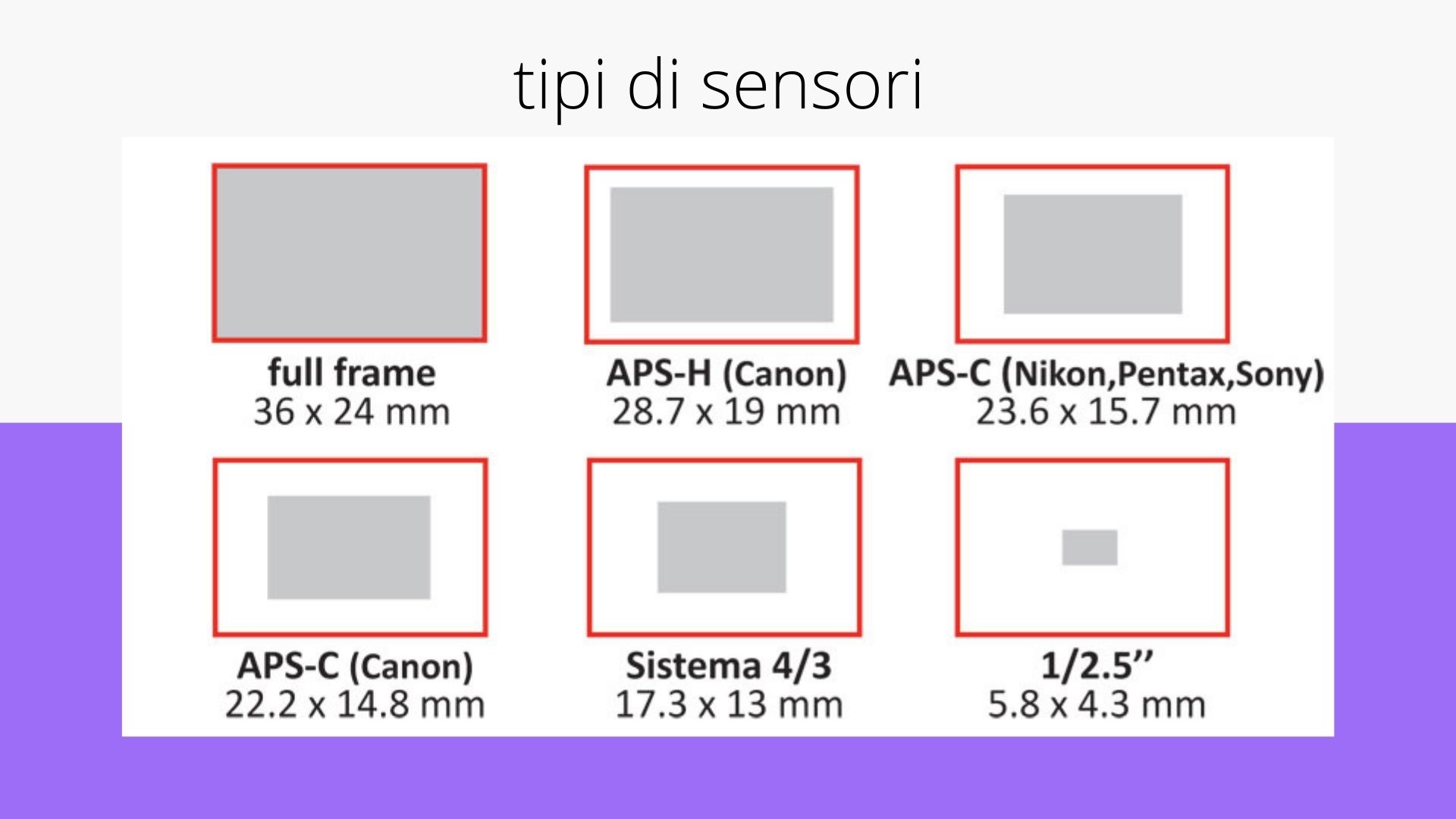
APS-C vs Full Frame sensor: what really changes?
The difference between an APS-C sensor and a Full Frame sensor affects field of view, lens choice, depth of field, low-light performance, camera size and total system cost. It is one of the first technical choices to understand before buying a camera body or a new lens.
This guide explains the practical differences that matter in real photography, without turning sensor size into a religious war. Both formats can produce excellent images; the right choice depends on what you shoot and how you work.

What is crop factor?
APS-C sensors are smaller than Full Frame sensors. Because they record a smaller central part of the image circle, the same lens gives a tighter field of view. This is called crop factor.
- Nikon, Sony and Fujifilm APS-C: usually about 1.5x crop factor.
- Canon APS-C: usually about 1.6x crop factor.
- Full Frame: no crop factor compared with the 35mm reference format.
For example, a 50mm lens on Nikon APS-C gives a field of view similar to 75mm on Full Frame. On Canon APS-C, it looks closer to 80mm. The lens does not physically become longer; the camera simply captures a narrower view.
APS-C vs Full Frame: practical differences
| Area | APS-C | Full Frame |
|---|---|---|
| Field of view | Tighter with the same lens | Wider with the same lens |
| Depth of field | More depth of field at the same framing | Easier background blur at the same framing |
| Low light | Modern APS-C is good, but smaller sensor area can be limiting | Often better high ISO and dynamic range |
| Lens size | Often smaller and lighter | Often larger, especially with bright lenses |
| Cost | Usually cheaper bodies and lenses | Usually more expensive system overall |
| Reach | Helpful for wildlife, sport and travel telephoto work | Needs longer lenses for the same framing |
Depth of field and background blur
Full Frame makes it easier to create a very blurred background when you keep the same framing and aperture. This is one reason many portrait and wedding photographers like Full Frame systems.
APS-C can still produce beautiful blur, especially with fast lenses. A 50mm f/1.8 on APS-C is a strong portrait option, and a 33mm or 35mm fast prime gives a natural everyday field of view.
Low light and image quality
Full Frame cameras often handle high ISO better because the sensor area is larger. That can help in weddings, concerts, interiors and night photography. But modern APS-C cameras are much better than old stereotypes suggest, and lens choice often matters as much as the body.
If you use a slow kit lens on Full Frame and a bright prime on APS-C, the APS-C kit may actually feel better in low light. Think about the whole system, not only the sensor.
Which sensor should you choose?
- Choose APS-C if you want a compact kit, lower prices, more reach for telephoto work and lighter lenses.
- Choose Full Frame if you need maximum background separation, stronger high ISO files, wider lens behavior and a more professional lens ecosystem.
- Choose based on lenses if you are unsure: the available lenses matter more than the logo on the camera body.
Simple buying examples
An entry-level APS-C body such as the Canon 2000D can be enough for learning photography. A Full Frame camera such as the Nikon Z5 gives more room for advanced work, especially with portraits, events and low light. For Nikon APS-C mirrorless, see also my Nikon Z50 review.
Quick decision checklist
- List the subjects you shoot most: portraits, travel, sport, wildlife, weddings or landscapes.
- Check the lenses available for the system, not only the camera body price.
- Compare total kit weight, especially if you travel or walk a lot.
- Think about low light: concerts and weddings push cameras harder than daylight travel.
- Choose APS-C for value and reach; choose Full Frame for depth of field and high ISO flexibility.
Final advice
APS-C is not “bad” and Full Frame is not automatically “professional”. APS-C is practical, lighter and often better value. Full Frame gives more flexibility for depth of field, low light and wide-angle work. Choose the format that matches your subjects, your budget and the lenses you actually want to carry.
